The Block Details South Korea Crypto Market in Profile
The Block published a new country profile examining the regulatory and operational environment of South Korea's crypto market.
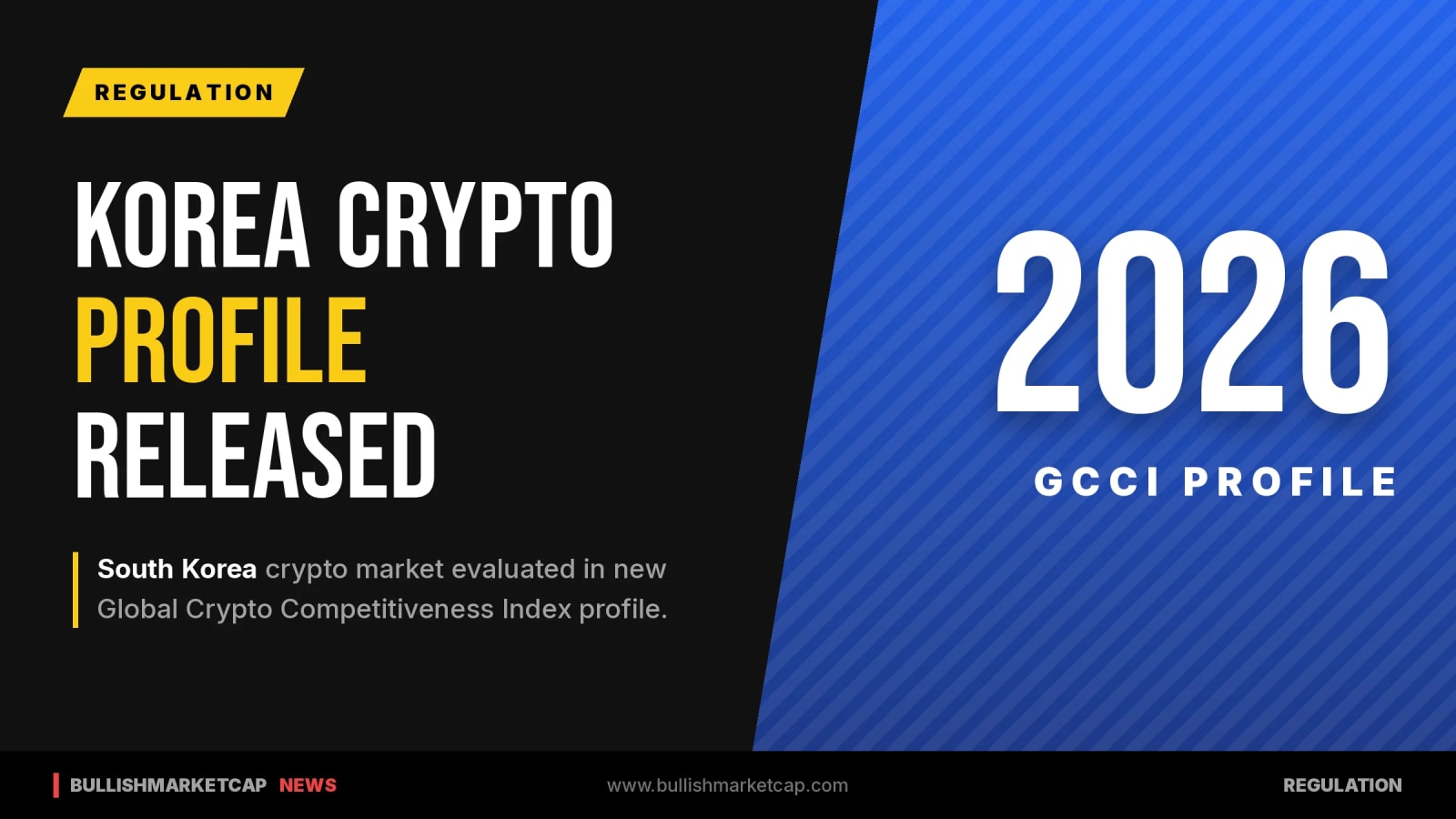
According to TheBlock, the publication released its Global Crypto Competitiveness Index country profile for South Korea, focusing on the operating environment for crypto companies and capital.
Market Competitiveness Factors
Instant Telegram notifications for large on-chain moves.
Traditional metrics for evaluating crypto markets have historically concentrated on demand-side factors such as trading volume, user ownership, and overall adoption rates. However, these figures do not fully reflect the underlying domestic environment where digital asset firms operate.
Regulatory and Capital Environment
As detailed by TheBlock, a jurisdiction can record substantial trading volume while simultaneously maintaining restrictive domestic conditions for crypto enterprises. The country profile evaluates these structural elements rather than relying solely on demand metrics.
Key facts
- The Block published the GCCI 2026 country profile for South Korea.
- Traditional crypto metrics focus on demand-side factors like trading volume and ownership.
- The index assesses the environment for crypto companies and capital operations.
Source: theblock.co
This article is for information only and is not investment advice. BullishMarketCap news is produced with AI assistance from public sources and reviewed by our editors; see our editorial policy. Spotted an error? Tell us.