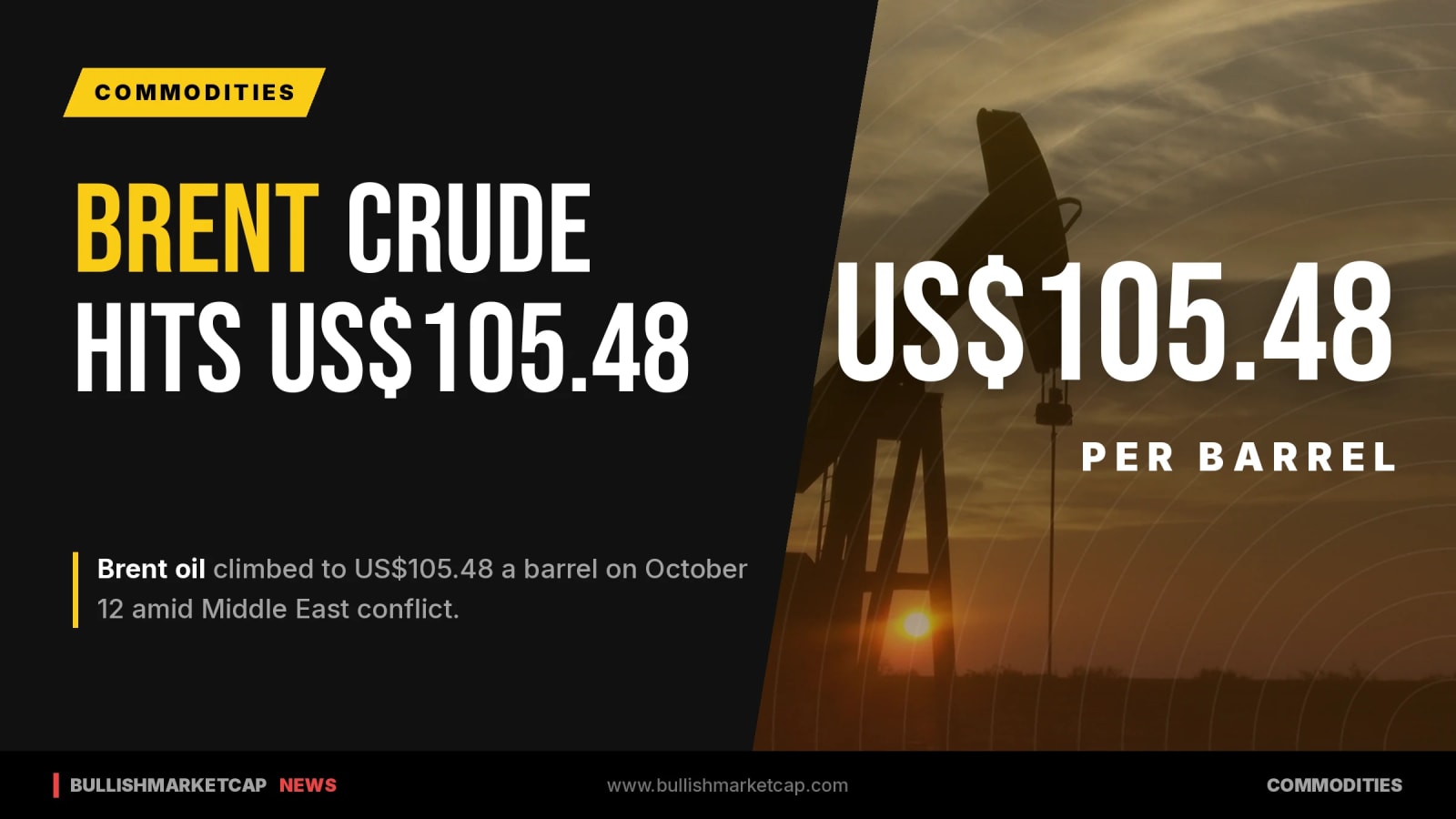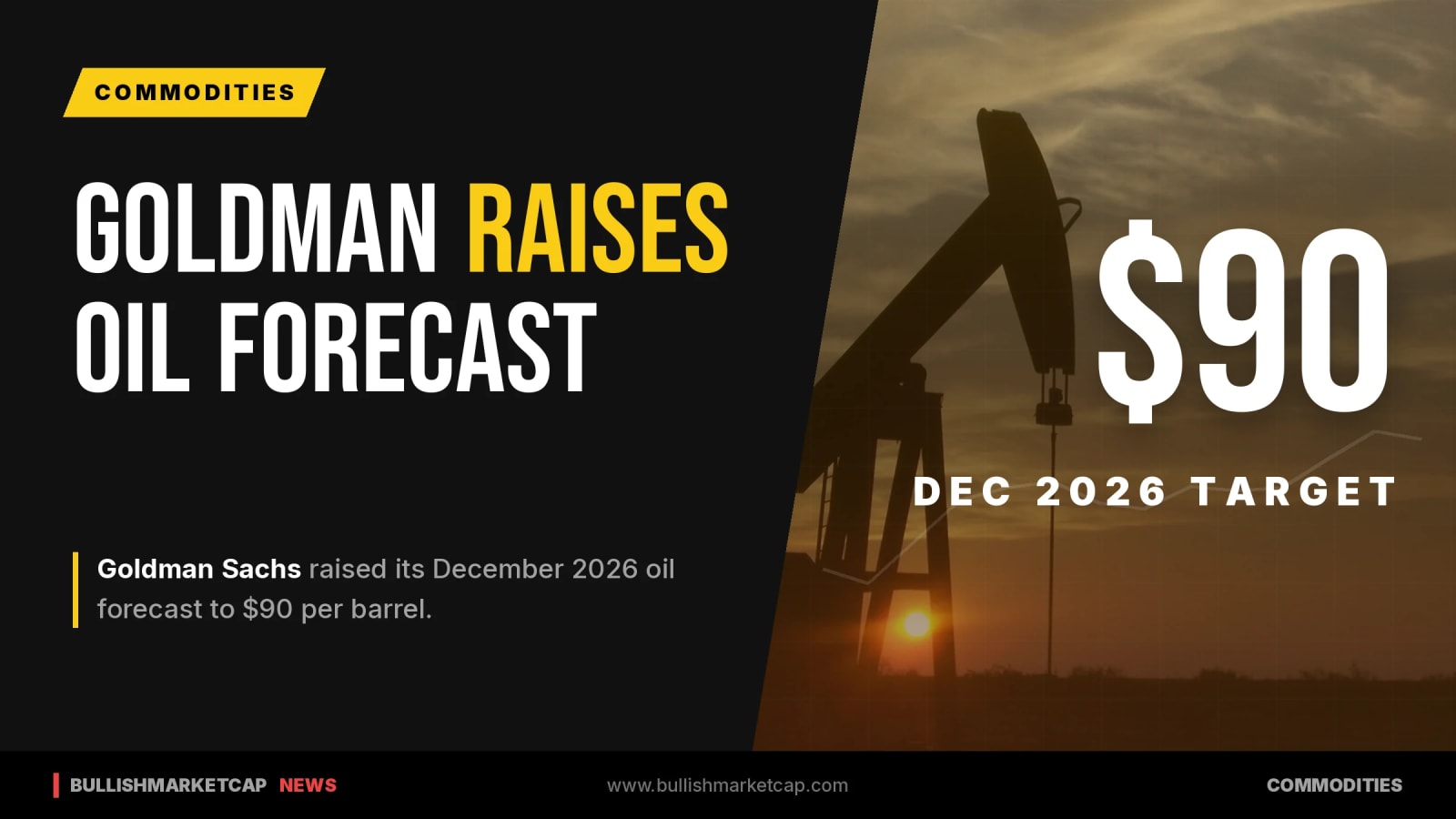
Japan Urges Asia to Build Oil Reserves Amid Middle East Risks
Japan's trade minister has called for Asian countries to boost oil stockpiles and infrastructure as regional energy security risks mount.
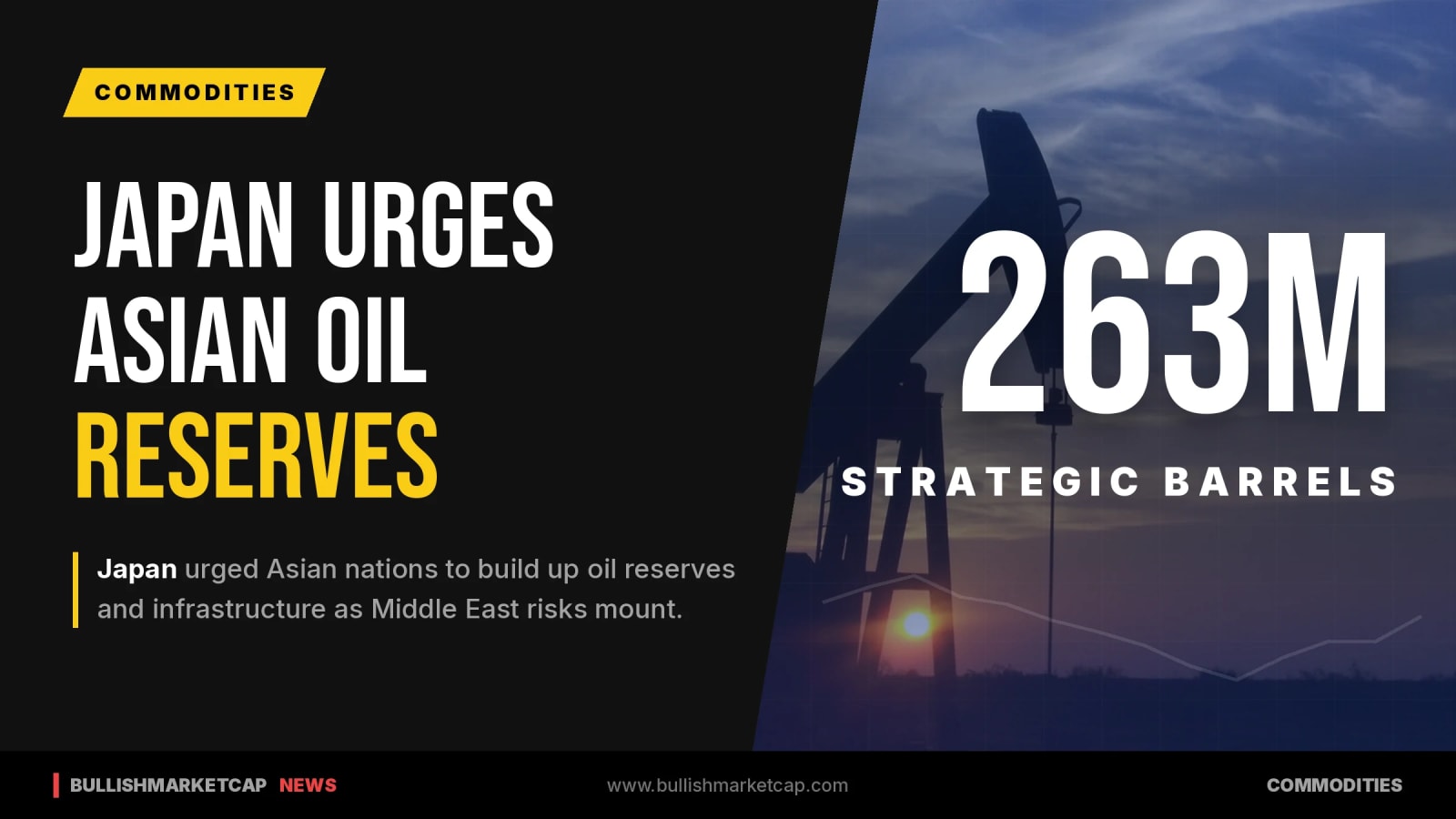
Oil producers and consumers must strengthen their cooperation, and Asian nations specifically need to boost their oil stockpiles and infrastructure, according to Japan’s trade minister. Speaking at the virtual International Energy Forum, Ryosei Akazawa stated that Japan intends to act as a bridge between Middle Eastern oil producers and Asian oil importers to help stabilize global energy supply.
Energy security has emerged as a top priority, overshadowing ongoing efforts to shift away from fossil fuels. The Asia Zero Emission Community, headed by Japan, has redirected its focus from emissions to oil supply, agreeing earlier this month to build a more substantial oil inventory in Asia and coordinate releases when necessary.
Instant Telegram notifications for large on-chain moves.
Strategic Stockpiles and Imports
Japan holds the third-largest strategic oil stockpile in the world, following China and the United States. In April, the U.S. Energy Information Administration estimated China’s inventory at 1.397 billion barrels, followed by the U.S. reserve at 413 million barrels, and Japan holding 263 million barrels of crude in strategic inventory. Earlier in the spring, Japan released crude oil from its strategic reserves as part of an International Energy Association-coordinated global release of 400 million barrels of crude and oil products.
Since the war in the Middle East began, resource-poor Japan has worked to secure crude supplies from alternative sources. More than 90% of Japan's crude imports originating from the Middle East pass through the Strait of Hormuz.
Key facts
- Japan's trade minister Ryosei Akazawa called for Asian countries to boost oil stockpiles and infrastructure at the virtual International Energy Forum.
- Japan holds the third-largest strategic oil stockpile globally at 263 million barrels, behind China at 1.397 billion barrels and the United States at 413 million barrels.
- More than 90% of Japan's crude oil imports pass through the Strait of Hormuz from the Middle East.
- The Asia Zero Emission Community agreed to build a more substantial oil inventory in Asia and coordinate releases when needed.
Source: oilprice.com
This article is for information only and is not investment advice. BullishMarketCap news is produced with AI assistance from public sources and reviewed by our editors; see our editorial policy. Spotted an error? Tell us.